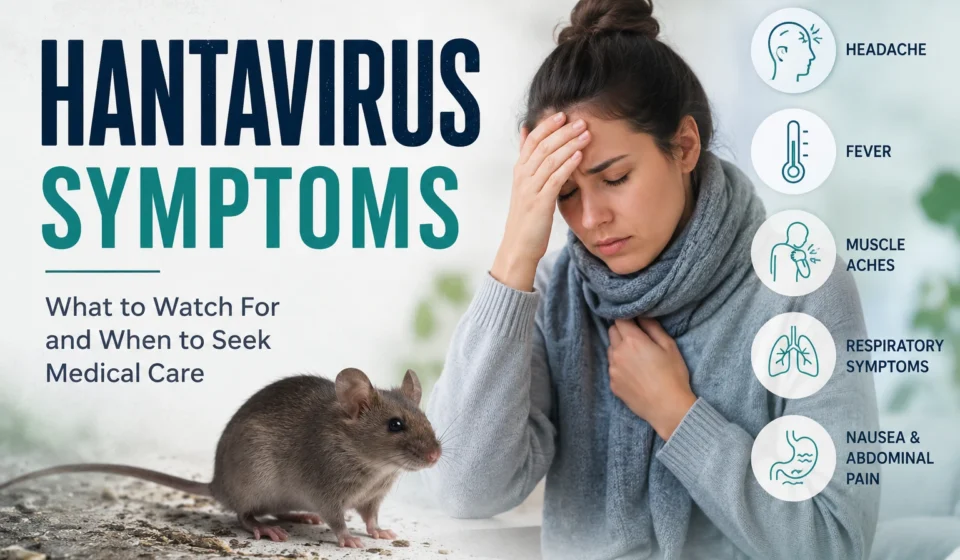
Hantavirus is back in the news. As of May 8, 2026, the World Health Organization has confirmed eight cases and three deaths in a multi-country outbreak linked to the cruise ship MV Hondius, with passengers from nine countries now disembarking in the Canary Islands. If you have heard about it and you are wondering what hantavirus actually feels like, when symptoms start, and when something flu-like crosses the line into something dangerous, this guide walks through it. We pulled the symptom data straight from the U.S. Centers for Disease Control and the WHO, not a content farm.
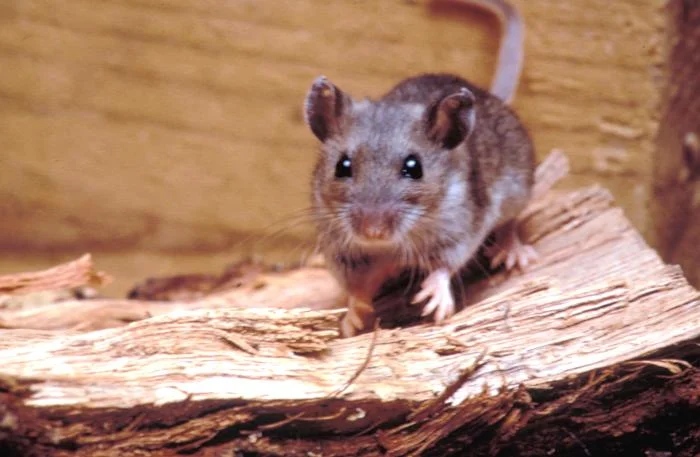
Table of Contents
- What Is Hantavirus?
- The 2026 Cruise Ship Outbreak
- When Symptoms Appear: The Incubation Window
- Early Hantavirus Symptoms (First 1 to 5 Days)
- Late Hantavirus Symptoms (Severe Phase)
- HPS vs HFRS: Two Diseases, Two Symptom Patterns
- How Hantavirus Spreads
- When to See a Doctor
- How Hantavirus Is Diagnosed and Treated
- How to Prevent Hantavirus at Home
- Should Travelers Worry About the Cruise Ship Outbreak?
- FAQ
What Is Hantavirus?
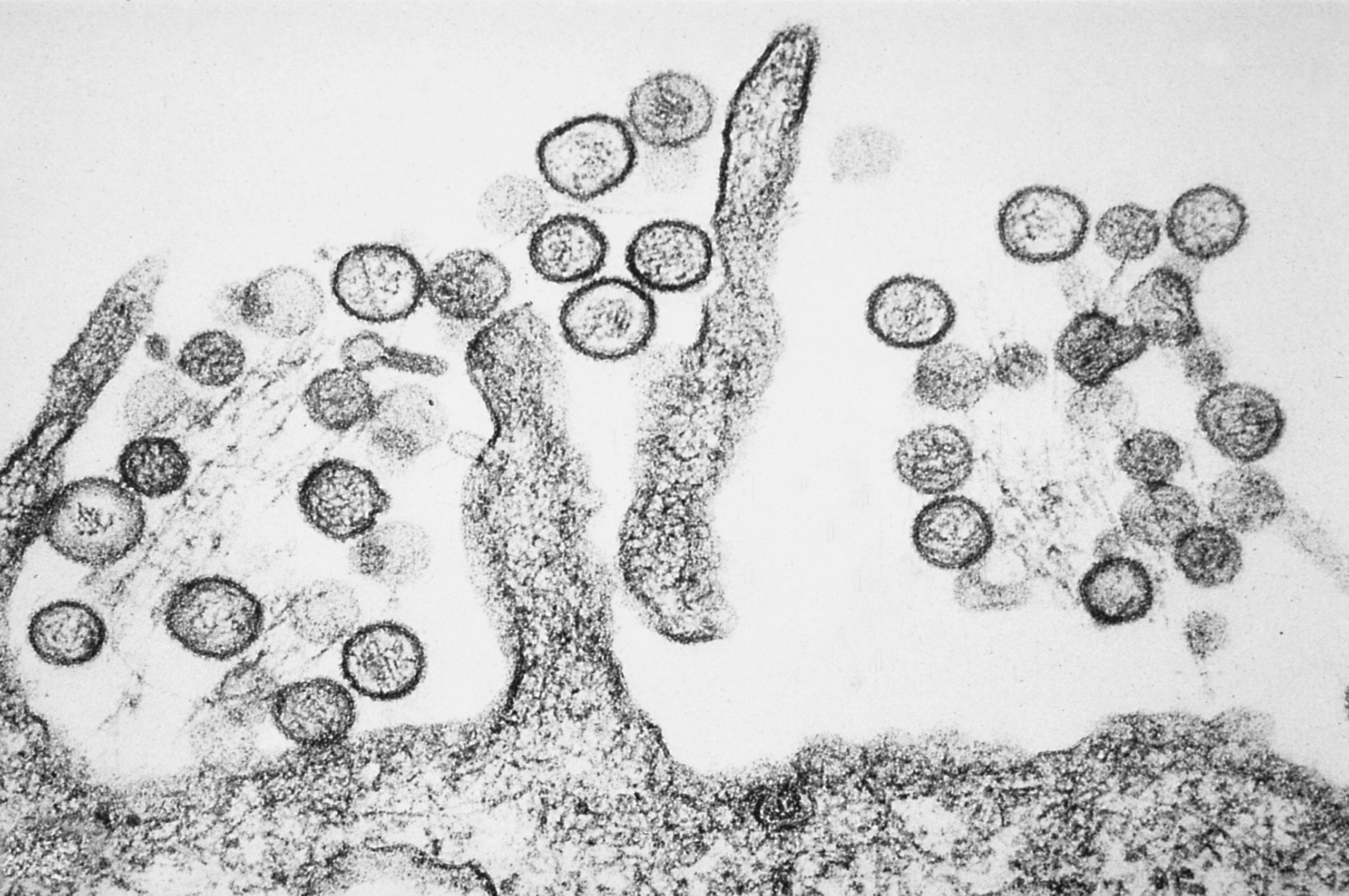
Hantavirus is a family of viruses (technically the genus Orthohantavirus) carried by rodents. Different strains live in different mice and rats around the world. In the Americas, they cause hantavirus pulmonary syndrome (HPS), a severe lung illness. In Asia and Europe, related strains cause hemorrhagic fever with renal syndrome (HFRS), which targets the kidneys instead. Both can be fatal, and neither has a specific antiviral cure. Treatment is supportive, which means the medical team keeps the patient alive while the body fights the virus on its own.
The 2026 Cruise Ship Outbreak: What’s Happening Right Now
The current outbreak is small but serious. According to the WHO disease outbreak report dated May 8, 2026, the Dutch-flagged expedition cruise ship MV Hondius has reported 8 cases (6 confirmed, 2 probable) and 3 deaths. The strain is Andes virus (ANDV), a South American hantavirus that causes HPS. Affected passengers are from Argentina, Cabo Verde, Chile, Germany, the Netherlands, South Africa, Spain, Switzerland, and the United Kingdom.
Andes virus matters here for one reason. It is the only known hantavirus that can transmit person-to-person, and only with close, prolonged contact. WHO traced the cluster back to one passenger who likely picked up the virus during bird-watching in South America. Inside the cabins, close quarters allowed limited human-to-human spread. Disembarkation in Tenerife began Sunday, May 10, 2026, and contacts will be monitored for 42 days. The CDC says the overall risk to U.S. travelers and the public remains extremely low.
When Symptoms Appear: The Incubation Window
Hantavirus does not show up the day after exposure. It hides for a long time before the first sign of illness, which is part of why diagnosis is hard.
- HPS (Sin Nombre virus): usually 1 to 8 weeks after rodent contact, per the CDC.
- HPS (Andes virus, the current outbreak strain): typically 4 to 42 days after exposure.
- HFRS: 1 to 2 weeks usually, occasionally up to 8 weeks.
If you handled rodent droppings six weeks ago, finished a trip to South America a month ago, or had close contact with someone now confirmed positive, the calendar still matters.
Early Hantavirus Symptoms (First 1 to 5 Days)
The early stage is called the prodromal phase. It looks almost exactly like the flu, which is why hantavirus often gets missed. The CDC lists these as the most common early symptoms:
- Fever and chills
- Severe muscle aches, especially in the large muscle groups: thighs, hips, back, and shoulders
- Fatigue that feels heavier than a normal flu tiredness
- Headaches (about half of patients)
- Dizziness
- Nausea, vomiting, or diarrhea
- Abdominal pain
A clue that doctors look for in blood work is thrombocytopenia, a low platelet count, which is unusual for ordinary flu. The early phase usually lasts 1 to 5 days. People often feel awful, push through it, and assume they will recover at home. With hantavirus that assumption is risky.
Late Hantavirus Symptoms (The Severe Phase)
Within roughly 4 to 10 days of the first symptoms, the disease can shift into the cardiopulmonary phase. This is the dangerous part. The lungs start to fill with fluid and the heart cannot keep blood pressure stable. Watch for:
- Shortness of breath at rest, not just during activity
- A dry cough that worsens fast
- Chest tightness, like a band around the ribs
- Rapid heart rate (tachycardia)
- Low blood pressure, dizziness on standing, fainting
- Bluish lips or fingertips, a sign of low blood oxygen
According to the CDC clinical overview for HPS, most patients in the cardiopulmonary phase need ICU admission, mechanical ventilation, and aggressive supportive care. The case fatality rate for HPS sits near 38%. Survival improves significantly when patients reach an ICU early, especially one capable of ECMO (extracorporeal membrane oxygenation), which has roughly 80% survival when started in time.
HPS vs HFRS: Two Diseases, Two Symptom Patterns
Hantaviruses cause two very different illnesses depending on which strain you encounter. The early symptoms overlap, but the late ones split sharply.
Hantavirus Pulmonary Syndrome (HPS)
Found in the Americas. Caused by Sin Nombre virus (North America), Andes virus (South America), and a few related strains. HPS attacks the lungs and heart. Two phases:
- Prodromal (1 to 5 days): fever, deep muscle aches, fatigue, GI upset.
- Cardiopulmonary (several days): cough, breathlessness, fluid in lungs, shock, possible death.
Hemorrhagic Fever with Renal Syndrome (HFRS)
Found mainly in Asia (Hantaan, Seoul) and Europe (Puumala, Dobrava). HFRS attacks the kidneys and blood vessels. The CDC describes five classic phases:
- Febrile (3 to 7 days): sudden severe headache, back pain, abdominal pain, fever, chills, blurred vision, flushed face, red eyes, sometimes a rash.
- Hypotensive (1 to 3 days): sudden drop in blood pressure, shock from leaky blood vessels. Sudden death is possible in this phase.
- Oliguric (2 to 6 days): kidney failure with very low urine output, protein and blood in the urine.
- Polyuric (1 to 2 weeks): kidneys recover, urine output spikes very high.
- Convalescent: slow recovery, weakness can linger for weeks.
Hemorrhagic signs of HFRS include red, purple, or brown spots on the skin (petechiae), bleeding from the eyes or gums, blood in the urine or stool, and coughing up blood. HFRS is usually less deadly than HPS overall, with case fatality between roughly 1% and 15% depending on the strain, but Hantaan and Dobrava can be severe.
How Hantavirus Spreads
For almost every strain, hantavirus is a zoonotic infection: it jumps from rodents to humans, not between humans. The virus rides in infected rodent urine, droppings, and saliva. People catch it by:
- Breathing in dust contaminated with dried urine or droppings (the most common route).
- Touching a contaminated surface and then touching the eyes, nose, or mouth.
- Being bitten by an infected rodent (rare).
- Eating food contaminated by rodents.
Andes virus is the one exception. It can pass between people through close, prolonged contact, which is why the MV Hondius cabins became a chain of transmission. Casual contact, like passing someone in a hallway, is not how Andes virus spreads.
When to See a Doctor
Time matters more than dignity here. Get medical attention if any of the following apply:
- Flu-like symptoms within 8 weeks of cleaning a cabin, shed, garage, or storage room with rodent droppings.
- Flu-like symptoms after recent travel to South America, especially after outdoor activity in rural Argentina or Chile.
- Close contact with a confirmed Andes virus case (including MV Hondius passengers and crew).
- Any shortness of breath, chest tightness, or unusual rapid heart rate during a flu-like illness.
- A “flu” that suddenly feels much worse on day 4 or 5 instead of better.
Tell the clinician about rodent exposure or travel up front. HPS can imitate pneumonia, and naming the risk factor speeds up the right test.
How Hantavirus Is Diagnosed and Treated
Diagnosis usually relies on blood tests: serology to detect IgM and IgG antibodies against hantavirus, sometimes PCR testing for the viral RNA. Chest X-rays and labs (low platelets, rising hematocrit, elevated lactate) help support the picture during the cardiopulmonary phase.
There is no approved antiviral that reliably treats HPS. Ribavirin has been studied and was not effective for HPS, although it is sometimes used for severe HFRS. Treatment is supportive and includes:
- Supplemental oxygen and, in severe cases, mechanical ventilation.
- Careful fluid management to balance shock against pulmonary edema.
- Drugs to support blood pressure (vasopressors).
- ECMO for the most severe lung failure.
- Dialysis for HFRS patients with kidney failure.
How to Prevent Hantavirus at Home
Almost every HPS case starts with rodents in a building. The CDC’s prevention guidance comes down to three habits: keep rodents out, store food right, and clean droppings the safe way.
Seal the building
- Plug holes larger than a pencil eraser with steel wool, hardware cloth, or cement. Mice can squeeze through tiny gaps.
- Keep door sweeps tight to the floor.
- Repair torn screens.
Remove the food supply
- Store food (including pet food) in metal, glass, or thick plastic containers.
- Keep counters clean and take out the trash regularly.
- Keep wood, brush, and trash piles away from the house.
Clean the right way (this part matters)
Never sweep or vacuum dry rodent droppings. That sends virus particles airborne, which is the exact route into your lungs. Instead:
- Open windows and air the space for at least 30 minutes before you start.
- Wear rubber or plastic gloves and, ideally, an N95 mask.
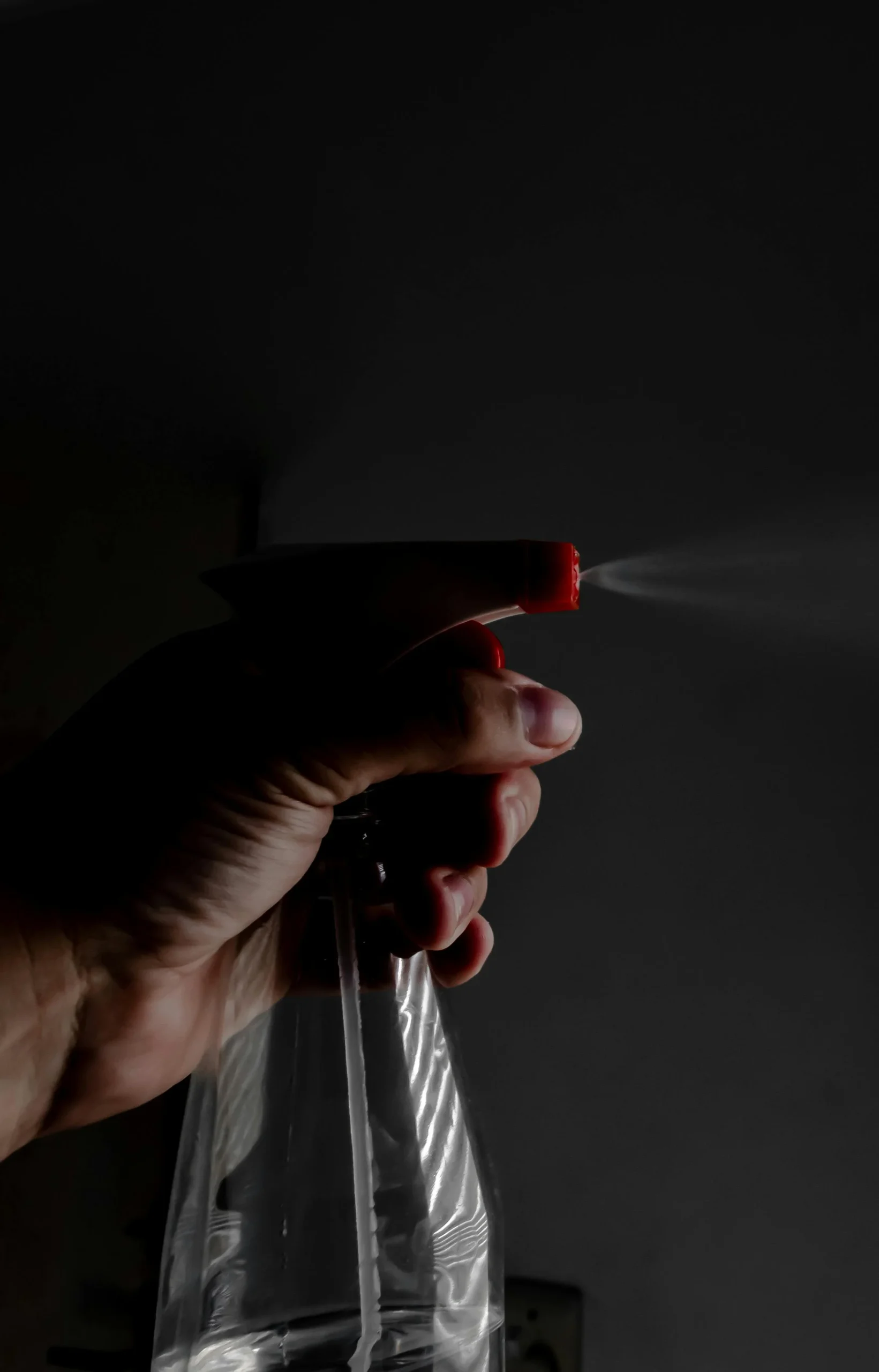
- Spray droppings, urine, and nesting materials with a bleach solution (1 part bleach to 9 parts water) or a household disinfectant. Let it soak for 5 minutes.
- Wipe up with a paper towel and seal in a plastic bag.
- Disinfect the area again, then wash gloved hands before removing the gloves.
- Wash bare hands thoroughly afterward.
Should Travelers Worry About the Cruise Ship Outbreak?
Short answer from CDC and WHO: no, not in a general sense. The risk to ordinary travelers and the wider public is rated extremely low. The cluster is contained to the MV Hondius and its contacts, none of the 17 U.S. citizens aboard had tested positive as of disembarkation, and Andes virus does not spread through casual contact. WHO has not recommended any travel or trade restrictions.
The realistic risk for most readers is still the kind of exposure that has caused HPS for decades: cleaning a cabin or shed full of mouse droppings without protection. Knowing the symptoms in this guide is far more useful than worrying about a cruise ship you are not on.
Frequently Asked Questions
What is the first symptom of hantavirus?
The first symptom is usually fever combined with severe muscle aches in the thighs, hips, and back. Fatigue, headache, and stomach upset often follow. These early symptoms overlap with flu, which is why the timing of recent rodent exposure or travel matters so much when you describe them to a doctor.
How long after exposure do hantavirus symptoms appear?
For HPS caused by Sin Nombre virus, symptoms typically appear 1 to 8 weeks after exposure. For Andes virus, the strain in the 2026 cruise ship outbreak, symptoms usually appear within 4 to 42 days. HFRS in Asia and Europe usually shows up within 1 to 2 weeks.
Can hantavirus spread from person to person?
Almost never. Andes virus is the one documented exception, and it requires close, prolonged contact, like sharing a cabin. All other hantavirus strains spread only from rodents to humans, mostly through inhaled dust contaminated with dried urine or droppings.
Is hantavirus deadly?
It can be. Hantavirus pulmonary syndrome has a case fatality rate near 38% according to the CDC. HFRS is generally less deadly, with fatality between roughly 1% and 15% depending on the strain. Early hospital care, especially access to an ICU, significantly improves survival.
Is there a vaccine for hantavirus?
There is no licensed hantavirus vaccine in the United States or Europe. Some HFRS vaccines are used in China and South Korea against specific strains. Research on broader vaccines is ongoing, but prevention today still relies on avoiding rodent exposure and cleaning droppings safely.
Can you get hantavirus from a pet hamster, gerbil, or rabbit?
No, common pets like hamsters, gerbils, guinea pigs, and rabbits are not natural hosts for the hantavirus strains that cause human disease. The risky animals are wild rodents like deer mice, cotton rats, rice rats, and white-footed mice in the Americas, plus several wild rat and vole species in Asia and Europe.
Bottom Line
Hantavirus symptoms start out looking like a bad flu. The thing that makes them different is the context: rodent droppings in your basement two weeks ago, a hike in rural Argentina last month, a cabin on a ship that just made the news. If those boxes are checked and you are now feverish with deep muscle aches, do not wait. The CDC’s own guidance on HPS is clear: emergency care, ideally in the ICU, should not wait for a confirmed diagnosis. The earlier the right team takes over, the better the odds.
For the latest on the 2026 outbreak, the CDC situation summary and the WHO disease outbreak page are updated as new cases are reported. For everyday tools and guides, head back to Toolifye.